
FW Safety Pipe
Steel-Cased Piping for Critical Media
Safety steel-cased pipelines are used for the transport of environmentally hazardous, dangerous or valuable media where the highest standards of operational safety and leak control are required.
The ring space between the medium pipe and the casing pipe is permanently monitored. In the event of a leak, the casing pipe forms a second, independent barrier and prevents the medium from escaping into the environment.
Typical applications:
- Sulphur, kerosene, heating oil
- Thermal oil and temperature-controlled process media
- Chemicals, acids and solvents
- Industrial wastewater and other critical liquids
Safety piping is used wherever media need to be transported safely and in a controlled manner, and where heightened leak-tightness requirements apply. Typical applications are found in the chemical and petrochemical industries, energy supply as well as in the area of industrial processes.
The pipelines are designed to meet project- and customer-specific requirements in accordance with established EN or ASME standards. The materials used are stainless steel or unalloyed steel (carbon steel), with a design temperature range from −196 °C to +400 °C. All parameters are defined on an application-specific basis and tailored to the relevant operational and safety requirements.
- Design pressure: project-dependent
- Underground or above-ground
- Ring space with inert gas at defined overpressure or, alternatively, with hot steam (without insulation)
- Leak monitoring and detection: vacuum-monitored and/or with integrated sensor and monitoring systems; collection and targeted discharge of leaks in the ring space
- Thermal insulation: rock wool or aerogel, depending on temperature and application; for temperature-controlled media with optional trace heating
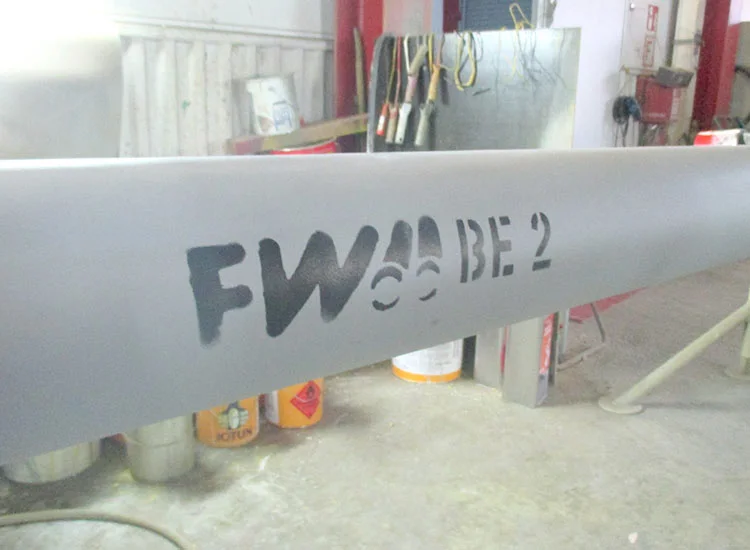
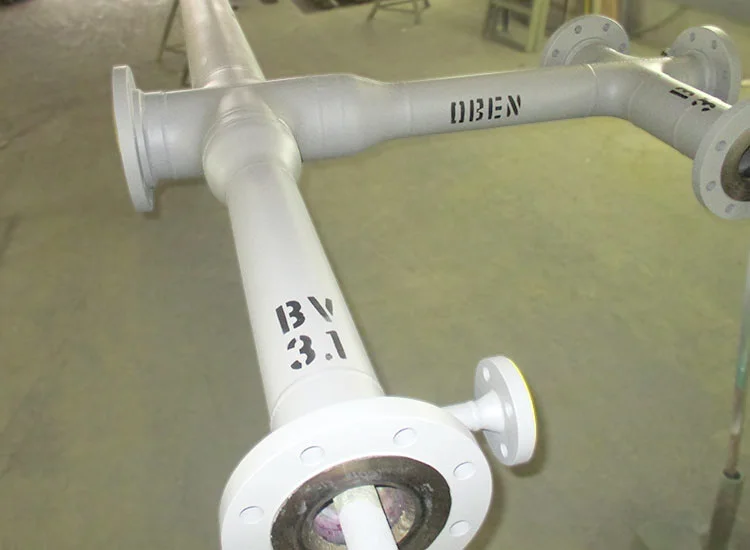
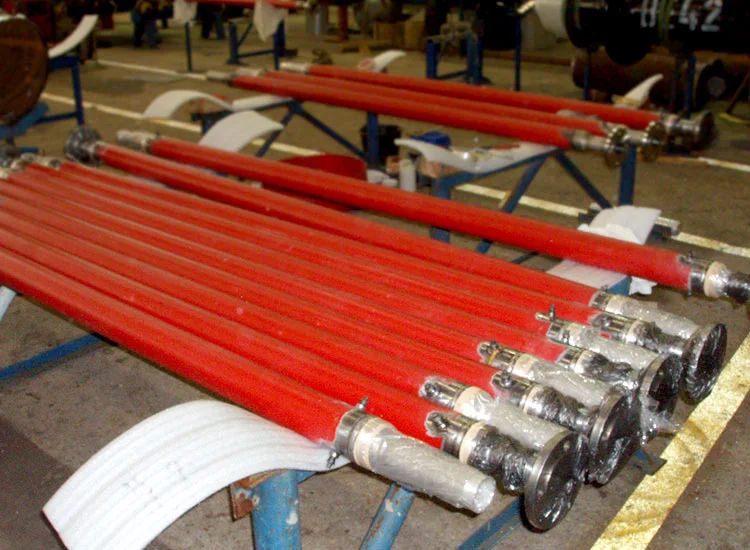
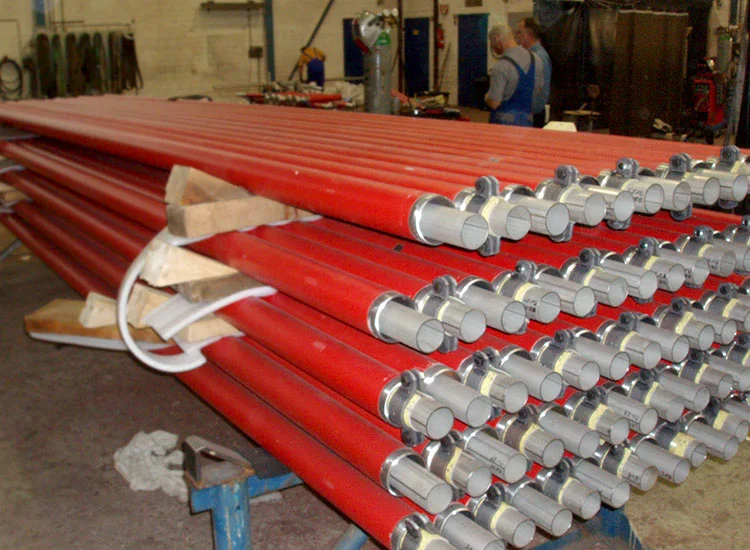
The safety steel-cased piping system consists of an inner medium pipe and an outer casing pipe. The ring space between the two pipes forms the central element of the safety system.
The system accommodates the thermal expansion of the inner pipe through design measures. Rigorous quality management and inspected weld seams ensure a robust, permanently safe system.